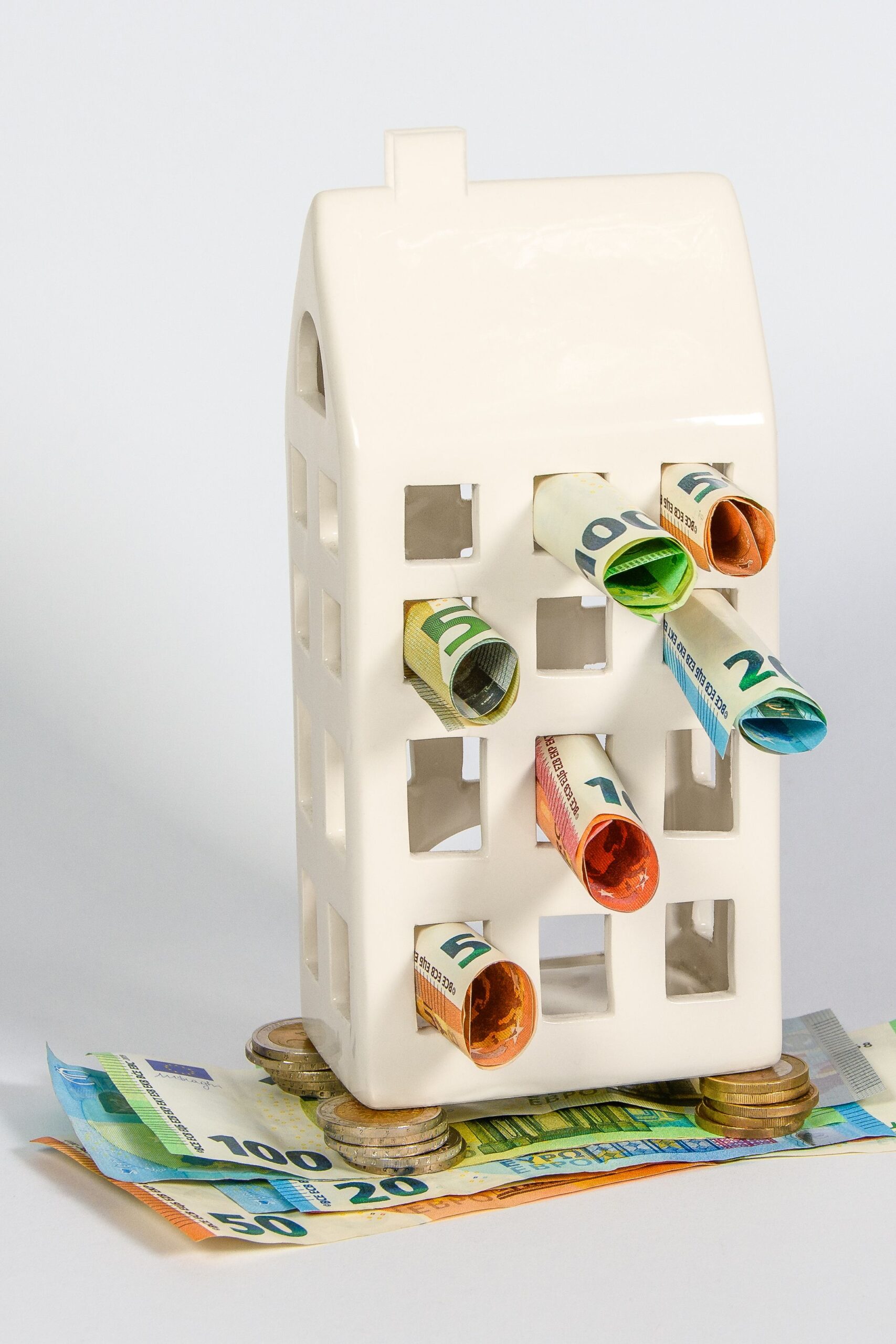


Trade Me Property Reports Rental Market Oversupply and Decreasing Rents

Picture of PropertySage

PropertySage

TRUSTED PROPERTY MANAGEMENT

Trade Me Property reports an oversupply of rental properties, leading to a 36% increase in listings and a median rent decline to $630 per week. Landlords are advised to adjust rent expectations and enhance property appeal to attract tenants in this tenant-favorable market.

Share Post:

According to Trade Me Property, there is currently an oversupply of rental properties, leading to a decrease in asking rents. In November, the number of properties listed for rent on the website increased by 36% compared to the same month last year and by 4% compared to October. This marks the highest level of rental listings on the site since 2019.

The median advertised rent in November was $630 per week, which reflects and decrease of 5% from October.

The most significant declines in rent percentages in November, compared to October, were seen in Gisborne (-7.9%), Otago (-7.7%), Marlborough (-6.0%), and Hawke’s Bay (-3.1%). In Auckland, New Zealand’s largest rental market, the median advertised rent fell by 0.7% in November. For a detailed view of regional figures, please see the chart below.

Gavin Lloyd, Customer Director at Trade Me Property, stated, “As a result of the oversupply, landlords may need to adjust their rent price expectations to align with the current market, which continues to favor tenants.”

Source from interest.co.nz: https://www.interest.co.nz/property/131338/trade-me-property-says-residential-landlords-may-need-reduce-their-asking-rents-due
The opinions and research contained in this article are provided for information purposes only, are intended to be general in nature, and do not take into account your financial situation or goals.

Stay Connected

More News & Blog

What Rising Inflation Means for Property Buyers and Investors in 2026

The recent rise in inflation to 3.1% has sparked concern but is expected to ease as the economy adjusts, possibly delaying interest rate hikes until later in 2026. First-home buyers remain strong, making up over 27% of market activity due to lower mortgage rates and supportive policies like KiwiSaver. Migration and service sector improvements suggest steady economic recovery, which may boost rental demand and overall housing market health.

What’s Next for Mortgage Interest Rates in 2026?

After trending downwards throughout 2025, interest rates are widely believed to have reached their bottom, with some experts predicting a slight further drop in early 2026. However, the consensus indicates rates will likely plateau or gradually increase throughout 2026 and 2027, and longer-term fixed rates are already rising.

Navigating the Shifting Tides: OCR Drop & What it Means for 2026

The Reserve Bank significantly cut the Official Cash Rate (OCR) to 2.25%, making home loans cheaper, reflecting an economy with spare capacity despite early recovery signs. While the interest rate cycle appears to have bottomed out, the bank notes persistent upside risks to inflation and anticipates only mild house price increases in 2026. Given these uncertainties and projected economic growth, Tony Alexander suggests considering fixing mortgage rates for 3-5 years or splitting terms to manage risk.