
Auckland house prices hit four-year low, dropping below one million

Picture of PropertySage

PropertySage

TRUSTED PROPERTY MANAGEMENT

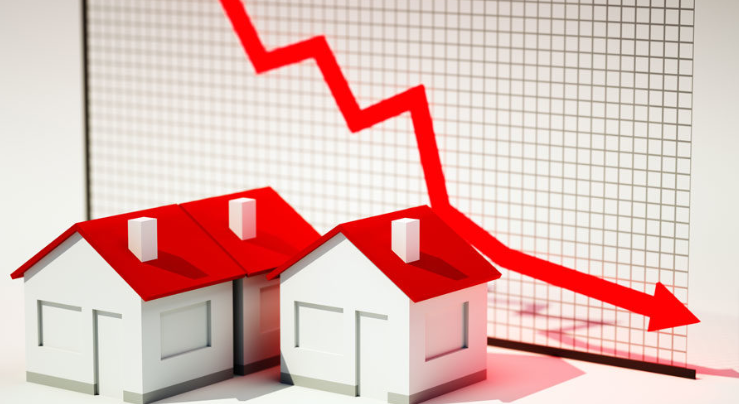
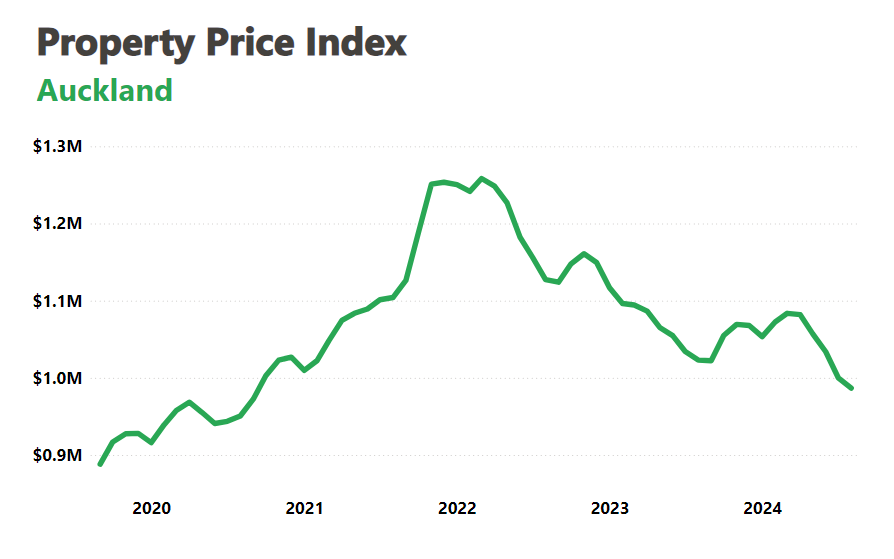
The average asking price for properties in Auckland has dropped below $1 million for the first time in nearly four years, reaching $986,750 in August 2024, marking five consecutive months of price declines. This shift presents new opportunities for buyers, as national prices also fell, with the average asking price at $818,250, leading analysts to suggest it could be a favorable time to purchase amidst ongoing market adjustments.

Share Post:

The average asking price for properties in Auckland has fallen below $1 million for the first time in nearly four years, reaching $986,750 in August 2024, which is a 1.3% decline from July. This marks the first time since September 2020 that prices in the region have dipped below this threshold and reflects a broader trend, as August represents the fifth consecutive month of declining prices. Trade Me Property’s Customer Director, Gavin Lloyd, noted that the upcoming September data will be crucial in determining whether this decline is simply a seasonal adjustment or indicative of more serious structural weaknesses in the housing market.
Nationally, the average asking price also decreased, falling 0.8% month-on-month and 2.3% year-on-year to $818,250. If this trend continues, Lloyd suggests that average prices could drop below $800,000. Despite these declines, five regions saw year-on-year increases, predominantly in the South Island, while Gisborne was the only North Island area to experience positive movement.

Larger properties have also seen a decline in prices, with homes of five or more bedrooms down 3.4% to an average of $1,396,250. This trend reflects broader challenges in the housing market, particularly for higher-end properties, as areas like Wellington and Auckland recorded significant price drops. Overall, the current market conditions may present a favorable opportunity for buyers looking to enter the market amidst the ongoing price adjustments.

Source from trademe.co.nz: https://www.trademe.co.nz/c/community/news/property-price-index-august-2024?srsltid=AfmBOooFbLZ3mF7WuP7_kn75YNkH6nI4GwBlaDnJahqElW_vvouPM4kQ
The opinions and research contained in this article are provided for information purposes only, are intended to be general in nature, and do not take into account your financial situation or goals
.

Stay Connected

More News & Blog

Forecast and Strategy: ANZ Predicts 2% House Price Drop in 2026 with Rising Mortgage Rates — What Property Investors Should Know

ANZ forecasts a 2% drop in house prices for 2026 and warns of possible further increases in mortgage rates due to global uncertainties. As a property investor, you should prepare for rising borrowing costs by considering fixed-rate loans and focus on areas with stable rental demand for steady income. Taking a long-term view and carefully managing risks will help you navigate this uncertain housing market successfully.

Interest Rate Predictions for 2026: What Property Managers and Buyers Need to Know

Interest rates in New Zealand are expected to remain steady or increase modestly throughout 2026, with major banks forecasting one-year fixed mortgage rates around 4.7% to rising slightly by 2027. The Reserve Bank’s official cash rate is predicted to either hold steady or rise gradually, influencing these lending rates. Experts recommend considering mortgage term fixes carefully, with options ranging from one-year to three-year terms depending on personal circumstances and market outlook

What Rising Inflation Means for Property Buyers and Investors in 2026

The recent rise in inflation to 3.1% has sparked concern but is expected to ease as the economy adjusts, possibly delaying interest rate hikes until later in 2026. First-home buyers remain strong, making up over 27% of market activity due to lower mortgage rates and supportive policies like KiwiSaver. Migration and service sector improvements suggest steady economic recovery, which may boost rental demand and overall housing market health.